ABOUT US
The Shyft supports young people with SEND and adults with learning disabilities to build practical skills, independence and experience for adult life and work.
THE SHYFT is a structured, hands-on programme supporting young people with SEND and adults with learning disabilities across Surrey and West Sussex.
We create practical opportunities for people to learn by doing, developing confidence, independence, routine, communication and workplace skills in supportive, low-pressure environments.
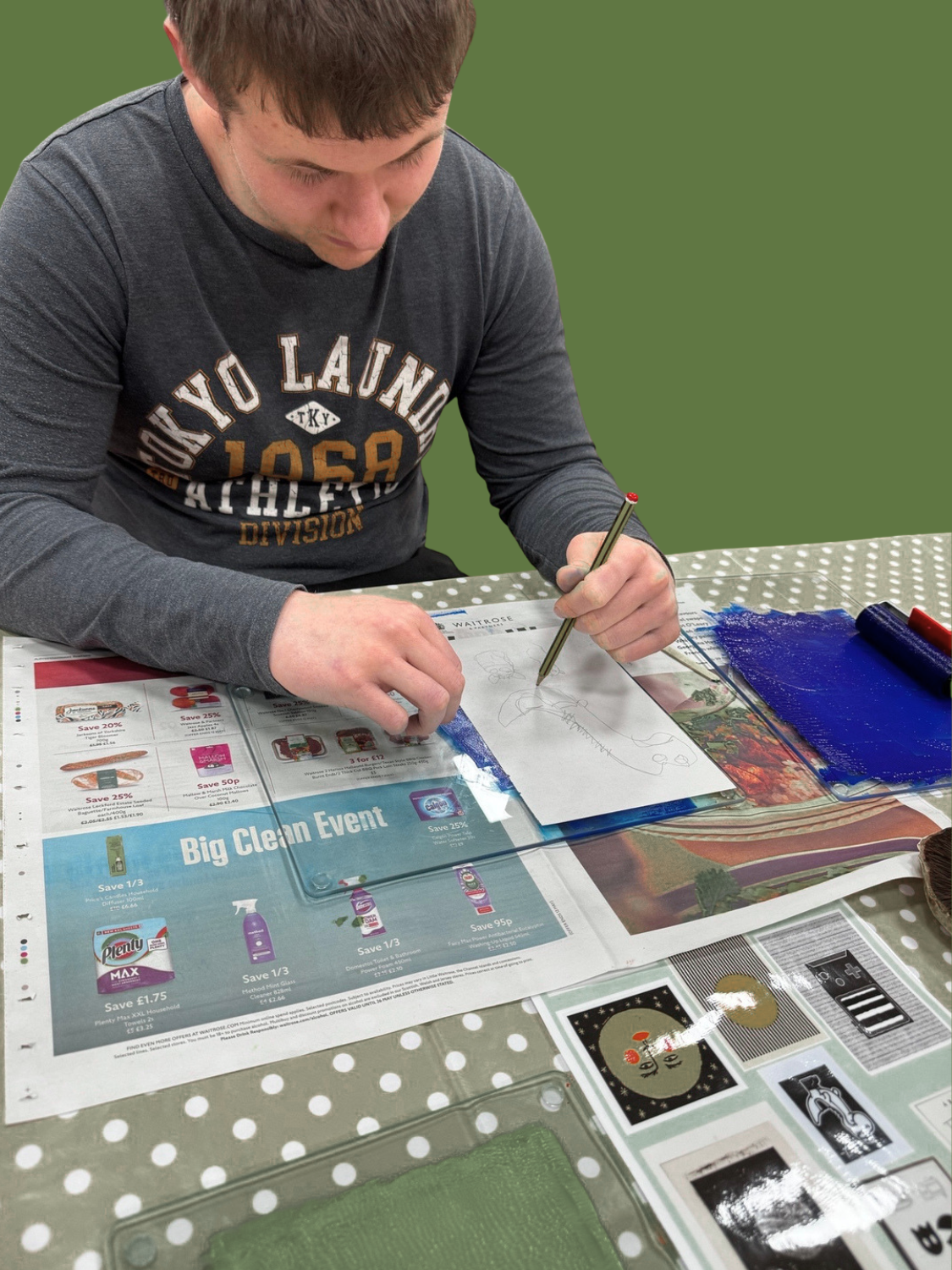
Our programmes combine practical skills, enterprise and real-world experience, from food preparation, customer service and creative projects to gardening, community activities and opportunities to learn within local businesses.
The aim is to create more supported and realistic pathways towards independence, meaningful contribution and employment.
The focus is not on keeping people occupied.
It is on creating the conditions for real participation and inclusion.
Our Values
COmmunity
PURPOSE
CONTRIBUTION


Progression
Respect
Why The Shyft Exists
Why The Shyft Exists
After 10 years spent hiring and developing people in global businesses, including running multiple graduate programmes, something began to stand out.
I could count on one hand the number of people who openly disclosed an additional need or disability during the hiring processes I was involved in. The lack of representation was striking.
We were trying to build more inclusive workplaces, but it became clear to me that the challenge didn't begin within employment itself. For many people, the barriers existed long before that point.
There seemed to be a missing step between education and employment, where the transition into work didn't always feel accessible or achievable.
This led me to look more closely at what happens after education. The figures reinforced what I was seeing:
in England, only around 6% of working-age adults receiving long-term learning disability support, whose employment status is known, are in paid employment. Across the wider working-age disabled population in the UK, the employment rate is around 53%.
At the same time, I kept coming across the same thing: young people who wanted to work, contribute and be part of something real.
Following maternity leave, I decided I wanted to do something about it. The Shyft was developed in response to what felt like a clear gap: a need for something between education and employment, where people can build practical skills, develop routine and take part in work and experiences that lead somewhere.
My own experience of neurodiversity has only reinforced this. It has deepened my understanding of how much the right environment and structure can enable someone to participate, develop and contribute.
The Shyft is built on a simple belief:
More people are capable of working than current opportunities often allow for, and more people should have the opportunity to do so.
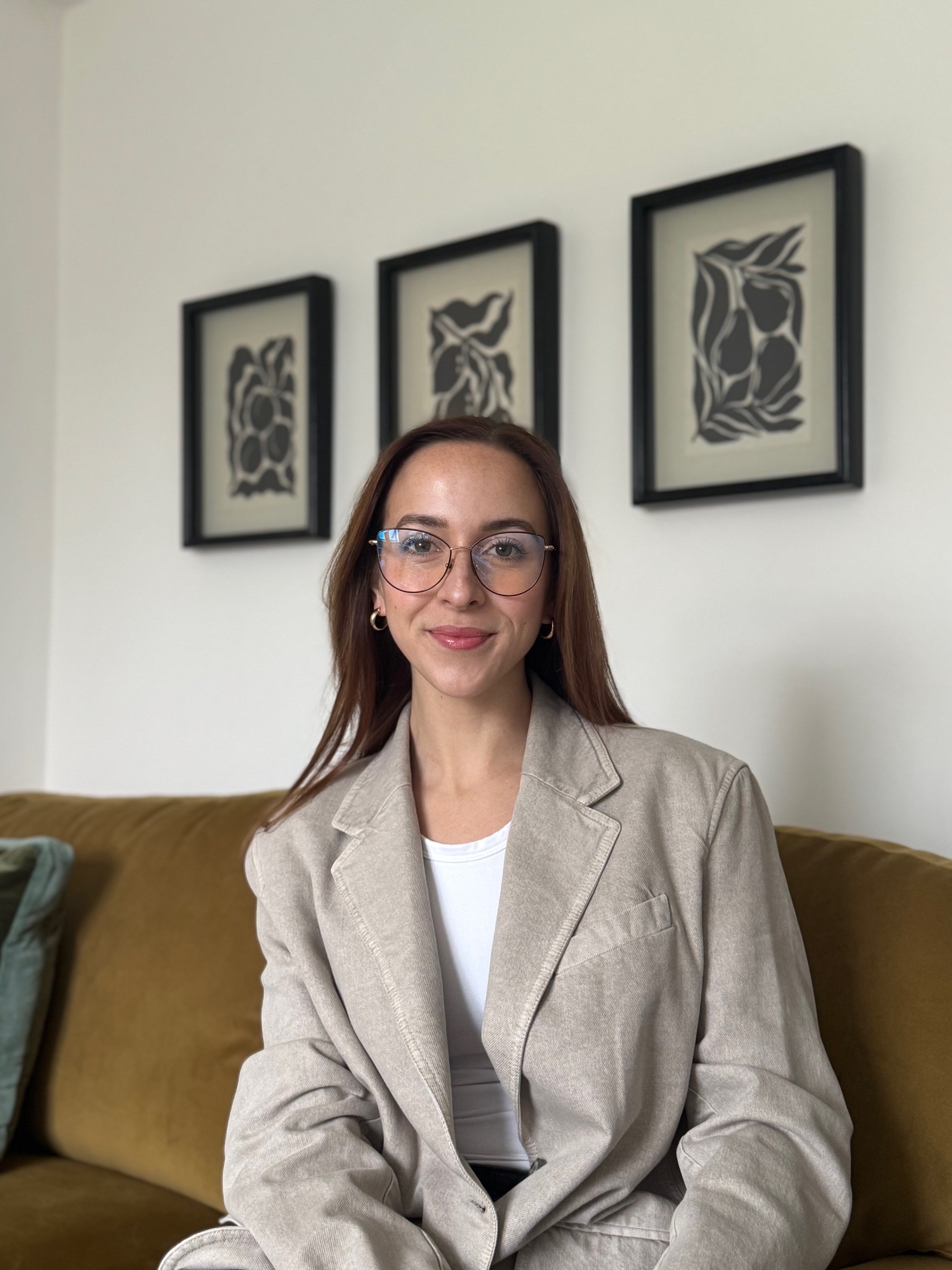
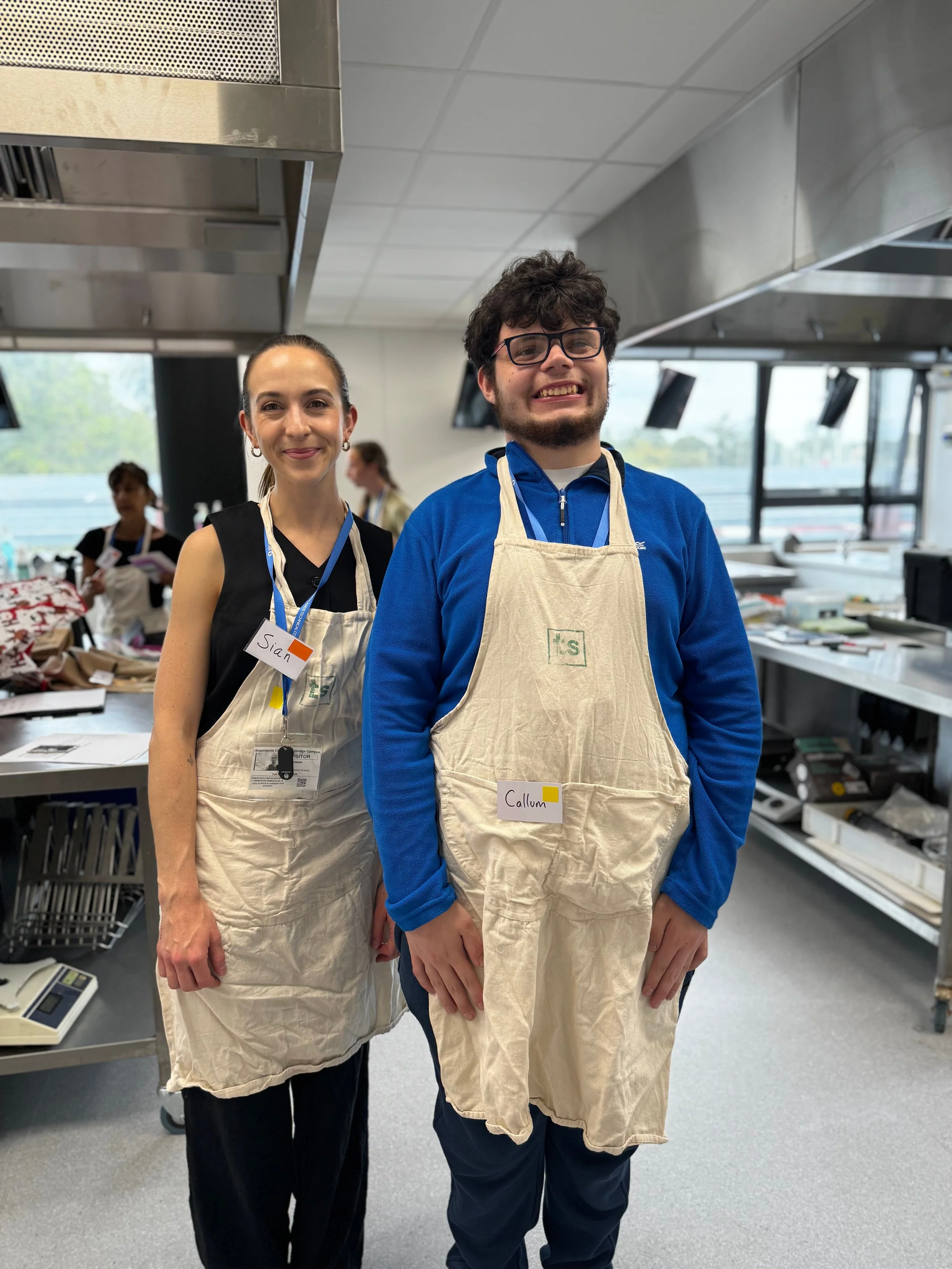
Sian Redman, Director/Founder
only around 6%
of working-age adults receiving long-term learning disability support, whose employment status is known, are in paid employment
The Shyft is entering its next stage of development, with plans for a permanent hub in Reigate alongside programmes delivered with partner venues across Surrey and West Sussex.
Having a dedicated base will allow us to create a consistent environment where participants can build familiarity, routine and independence, while accessing a wider range of practical programmes, social opportunities and community-based experiences.
Alongside our own programmes, we’re developing partnerships with schools, colleges, local businesses and community organisations to create more opportunities for participants to learn and contribute in real-world environments.
Over time, we want to develop supported employment opportunities, including our own social enterprise activity, while building pathways into local businesses with ongoing support for both participants and employers.
Our longer-term ambition is to take The Shyft model into further communities, giving more young people with SEND and adults with learning disabilities access to meaningful opportunities, greater independence and pathways into work.